Vacation Budget Secrets Revealed: What Travel Experts Don't Want You to Know About Saving Big

Listen, I'm going to let you in on something that might surprise you – those jaw-dropping vacation photos you see on social media? Half of them were taken on trips that cost way less than you'd think. As a travel agent, I've seen countless families transform their travel dreams into reality without emptying their bank accounts, and today I'm spilling all the secrets.
You've probably been told that amazing vacations require massive budgets, but that's simply not true. The travel industry loves to keep certain money-saving strategies under wraps because, well, they make less profit when you know them. But as someone who genuinely wants your family to experience the world, I'm sharing every insider trick I know.
The Geographic Money Hack That Changes Everything
Here's your first game-changer: where you go matters more than how you travel. This isn't about settling for less – it's about getting more bang for your buck by understanding global economics.
Countries in Southeast Asia will stretch your dollar about three times further than Japan. Want European charm? Eastern Europe and the Balkans cost roughly one-fourth what you'd spend in Norway for similar experiences. I've had clients who planned to visit Belize switch to Guatemala and save over 50% while having an equally incredible adventure.

When you're planning multi-destination trips, this becomes even more powerful. Let's say you're dreaming of a two-week Asia adventure combining Thailand and Australia. Smart allocation means budgeting about 25% for Thailand and 75% for Australia due to cost differences. You'll live like royalty in Thailand and still enjoy Australia comfortably.
Pro tip I share with my VIP clients: Use the "cost comparison rule" – research the price of a simple meal or coffee in your potential destinations. If a coffee costs $1 in one place and $5 in another, that's your multiplier for everything else.
The Timing Secrets Travel Companies Don't Advertise
This one's huge, and it's probably costing you thousands if you don't know it. Your travel dates are your secret weapon, and I'm not just talking about obvious stuff like avoiding Christmas week.
School breaks and weekends inflate everything – not just flights and hotels, but restaurant prices, attraction costs, and even taxi fares in tourist areas. I've seen families cut their vacation costs in half simply by traveling Tuesday to Tuesday instead of Friday to Friday.
Here's what travel companies won't tell you: mid-week departures during non-holiday periods can save you 40-60% on the exact same trip. Use tools like Skyscanner's whole month view to spot these golden windows. I always tell my clients to be flexible with just a few days, and the savings are incredible.
The shoulder season secret: Those couple of weeks right before and after peak season? You'll get 80% of the experience for 50% of the cost. The weather might not be absolutely perfect, but it's often still gorgeous, and you'll have fewer crowds too.
Living Like a Local: The Ultimate Money-Saving Strategy
This is where the real magic happens, and it's something most travelers never discover. The secret isn't finding cheap tourist activities – it's living like locals do.
Instead of asking your hotel concierge for restaurant recommendations (they often get commissions from expensive tourist spots), strike up conversations with working-class locals. The restaurant where construction workers grab lunch? That's where you'll find authentic food at one-third the price of the guidebook recommendations.
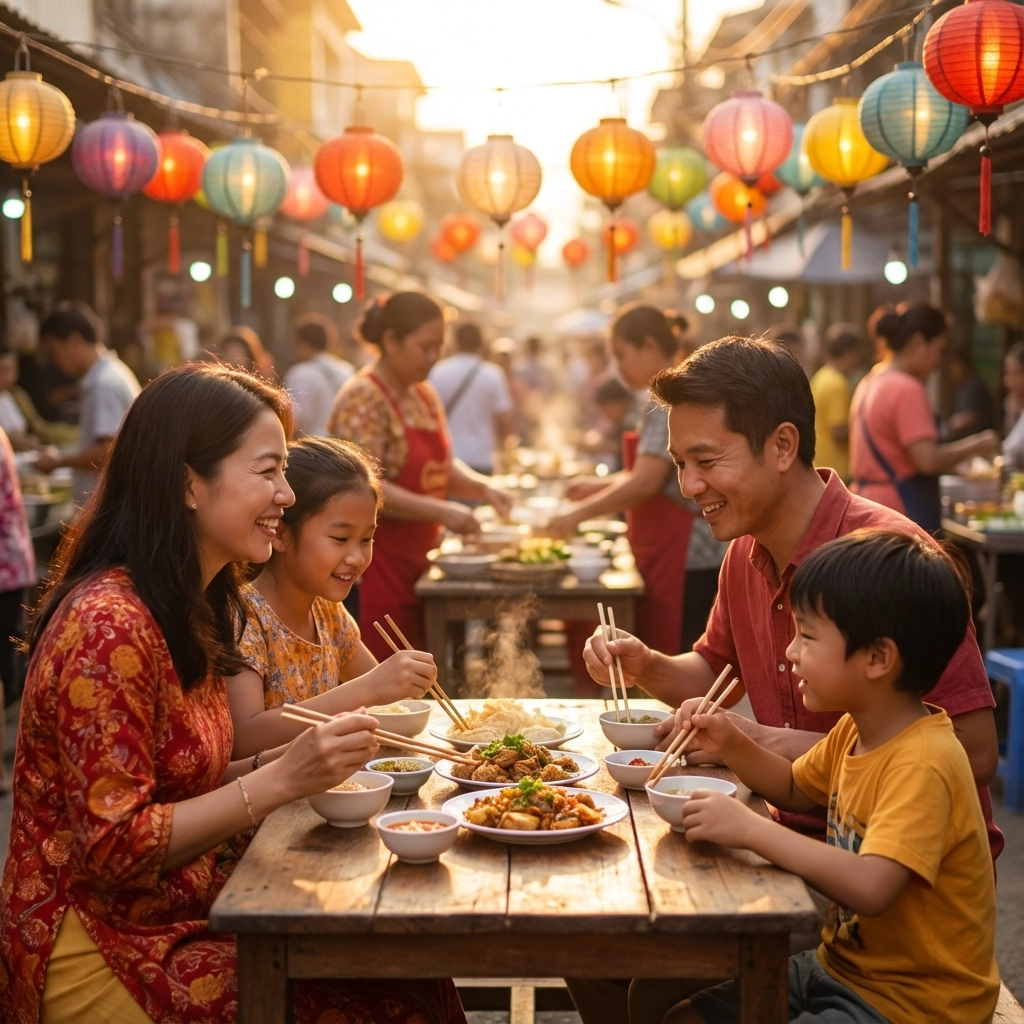
Grocery store game-changer: Hit up local grocery stores for produce, regional specialties, and ready-made dishes. You'll spend roughly one-third of restaurant prices while discovering local flavors most tourists never taste. Pack some of these items for day trips, and you've just saved another $50-100 per day for a family.
Here's a dining hack I teach all my clients: skip the beverages and desserts when eating out. You'll still experience the local cuisine and atmosphere while keeping bills manageable. Save the fancy drinks for one special night out instead of every meal.
The Hotel Booking Secrets That Save Hundreds
Ready for some insider knowledge that hotel booking sites don't want you to know? Compare rates across multiple platforms, then call the hotel directly. This is where the real savings happen.
When you call directly, ask them to match the lowest price you found – they often will because direct bookings eliminate commission fees they'd otherwise pay to booking sites. But here's the kicker: they'll often throw in perks they can't advertise online.

What to ask for during your direct call:
Room upgrades (if available)
Complimentary breakfast
Free Wi-Fi
Happy hour access
Free parking
Late checkout
Flexible cancellation
The worst they can say is no, but I've seen families get hundreds of dollars worth of extras just by asking nicely.
Another booking secret: Many hotels have "Best Rate Guarantees" where they'll beat any lower price you find by 10-25%. Most people never use these because they don't know they exist.
The Daily Budget Strategy That Actually Works
Here's something that separates successful budget travelers from those who overspend: variable daily budgets instead of rigid restrictions.
Most people set one daily spending limit and stress when they go over. Instead, create a system where some days are splurge days and others are saving days. Planning to visit an expensive theme park Thursday? Make Monday and Tuesday your "local living" days with grocery store meals and free activities.
This psychological trick works because you're not constantly feeling restricted – you're strategically allocating your fun money for maximum impact.
The envelope method for travel: Withdraw your budgeted spending money in cash when you arrive and divide it into daily envelopes. When an envelope is empty, you're done spending that day (except for genuine emergencies). It sounds simple, but it's incredibly effective for staying on track.
Transportation Hacks That Add Up to Huge Savings
Public transportation isn't just for backpackers – it's often faster and more interesting than taxis or rental cars. In many cities, a weekly transit pass costs less than two taxi rides and gives you unlimited access to the entire network.
App-based ridesharing tip: Use local versions of Uber/Lyft rather than the international ones. In many countries, local apps are significantly cheaper and more widely available.
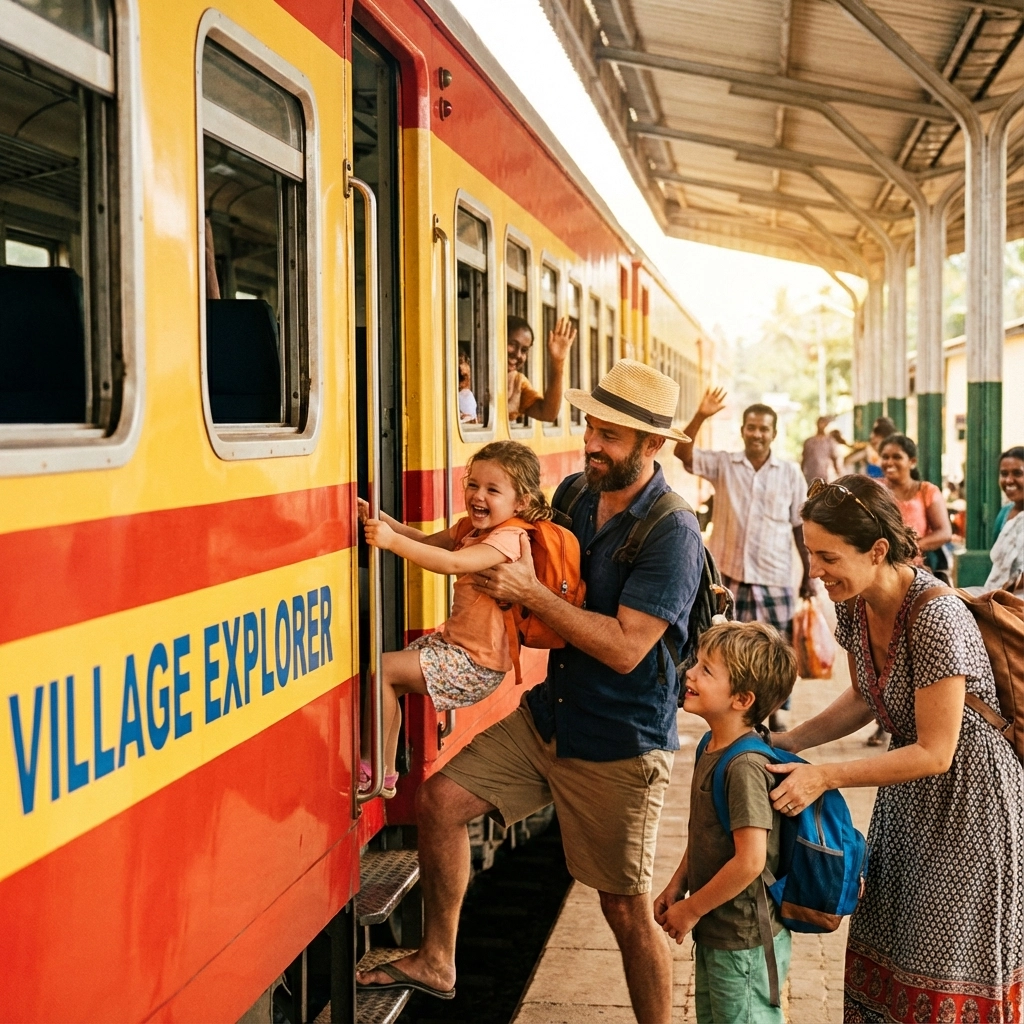
For longer distances, consider bus or train travel instead of flights for journeys under 4-6 hours. The cost savings are substantial, and you'll see countryside most tourists miss.
The Mindset Shift That Makes All the Difference
Here's the real secret that transforms everything: stop thinking about what you're missing and start focusing on what you're gaining. Every dollar you save on accommodation or transportation is a dollar you can spend on experiences that create lasting memories.
That slightly less central hotel? You'll walk more and discover neighborhood gems. Cooking some meals in your accommodation? Your kids will remember making breakfast together in that tiny kitchenette. Taking local buses? You'll meet people and see real life in ways tour buses never show you.
The abundance mindset for budget travel: Instead of thinking "I can't afford this," ask "How can I make this work?" There's almost always a creative solution that doesn't require sacrificing the experience.
Making It All Come Together
Budget travel isn't about deprivation – it's about smart allocation. When you save money on the basics, you free up funds for the experiences that matter most to your family. Maybe that means splurging on one incredible dinner instead of eating expensively every meal, or staying in a modest hotel so you can afford that once-in-a-lifetime excursion.
The families who master these strategies aren't just saving money – they're often having richer, more authentic travel experiences than those who spend twice as much. They're staying in neighborhoods where real people live, eating where locals eat, and discovering the heart of destinations instead of just the tourist facade.
Start with one or two of these strategies for your next trip. You don't need to implement everything at once – even small changes can lead to significant savings. And remember, the goal isn't to spend as little as possible, it's to maximize the value of every dollar so your travel dreams become sustainable realities.
Happy travels, and here's to making your budget work as hard as you do! 🌍✈️


Comments